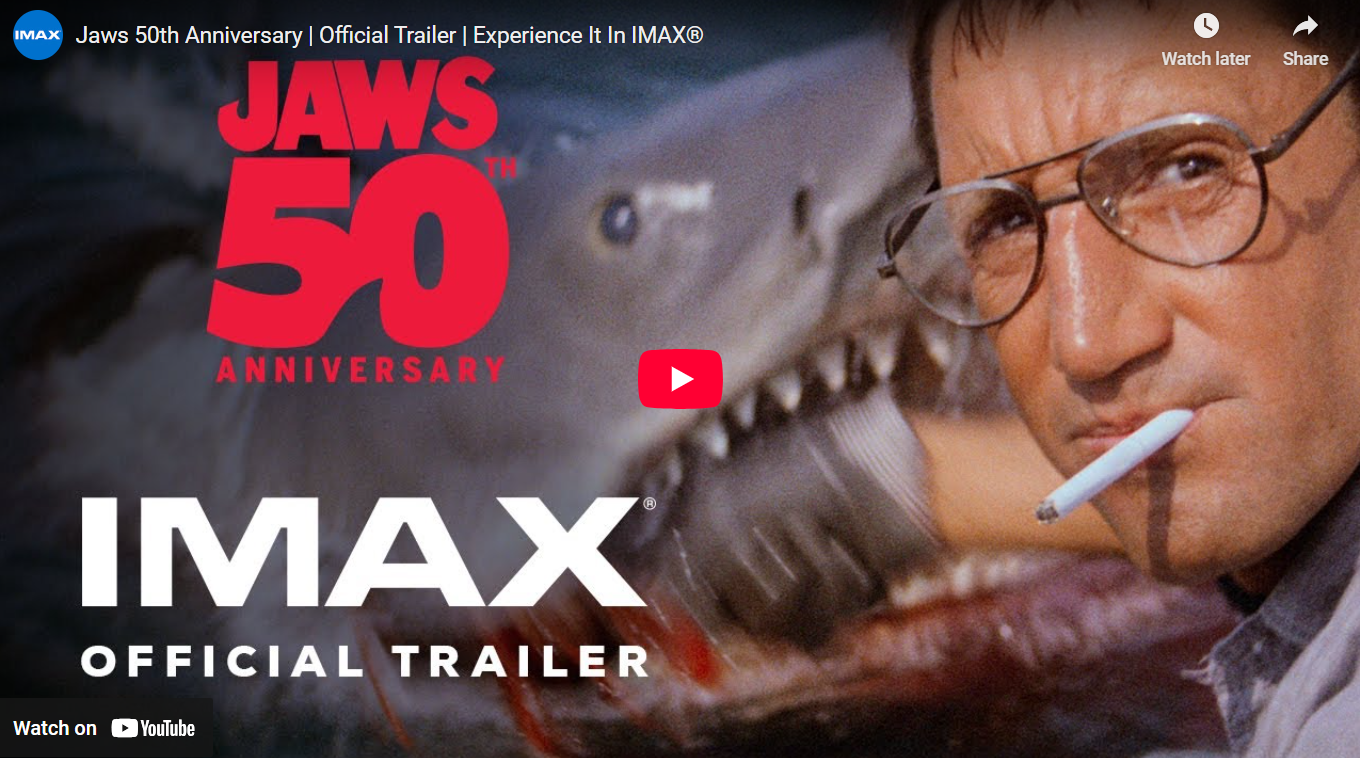
In the summer of 1975, a great white shark terrorized the fictional town of Amity Island—and in doing so, Jaws (1975) revolutionized cinema as we know it. Directed by a young Steven Spielberg, Jaws (1975) wasn’t just a hit—it was a phenomenon. As we celebrate its 50th anniversary, it’s impossible to ignore how this suspenseful thriller gave birth to the modern summer blockbuster and left an everlasting impact on Hollywood’s business model and storytelling techniques.
A Cultural Tsunami: The Release of Jaws 1975
Before Jaws (1975), summer was considered a dumping ground for studios, a time when audiences were thought to be less interested in serious cinema. That changed dramatically when Universal Pictures launched a nationwide marketing campaign like nothing before. Backed by a massive TV advertising blitz and a wide release strategy, Jaws (1975) hit 465 screens simultaneously—unheard of at the time.
Within days, it became a box office juggernaut, grossing over $470 million globally (adjusted for inflation, that’s more than $2 billion today). The movie didn’t just break records—it broke the rules. It proved that audiences would flock to theaters during summer, especially if given a thrilling reason to do so.
Spielberg’s Masterclass in Suspense
Steven Spielberg, then only 27 years old, crafted a masterpiece under immense pressure. The mechanical shark used during filming constantly malfunctioned, forcing Spielberg to get creative. Instead of showing the shark frequently, he relied on suggestion, music, and the fear of the unknown—techniques that amplified suspense and gave birth to one of the most iconic scores in cinema history, composed by John Williams.
The result? A film that was less about a killer shark and more about fear itself—of nature, of the unknown, and of human helplessness.
The Birth of the Summer Blockbuster
Jaws 1975 didn’t just become a hit; it invented the idea of what we now call a “summer blockbuster.” It set the blueprint for future hits like Star Wars, Jurassic Park, and The Dark Knight. Big-budget films released in peak summer, paired with aggressive marketing and merchandise, became the new Hollywood formula.
Studios started to see summer as prime real estate, and tentpole releases became the backbone of the industry. The blockbuster became a cultural event, and it all began with Jaws 1975.
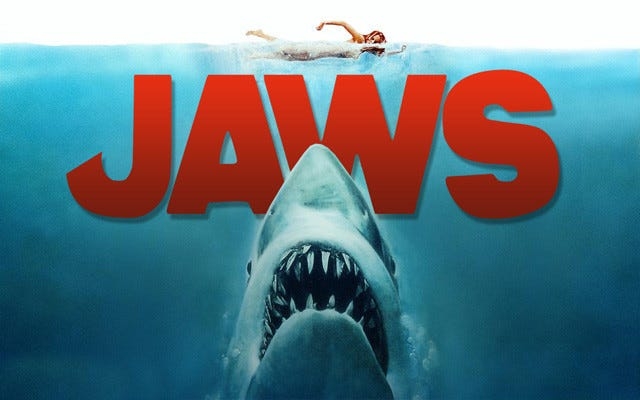
Impact on Hollywood and Pop Culture
From movie marketing to audience behavior, Jaws 1975 reshaped the landscape. It showed the power of a teaser trailer, the value of suspense-driven storytelling, and the potential of cross-platform promotions. Merchandise, theme park rides, and even sequels (though not as beloved) turned Jaws into a multi-generational brand.
Even today, filmmakers cite Jaws (1975) as inspiration. Its influence can be seen in horror, thrillers, creature features, and even superhero films. It proved that smart direction, tight storytelling, and emotional investment could turn a simple premise into a lasting legend.
50 Years Later: Why Jaws 1975 Still Matters
Half a century later, Jaws 1975 remains terrifying, relevant, and immensely entertaining. Its commentary on local governance, economic denial during crises, and media influence are eerily applicable today. But above all, it’s a reminder of what cinema can achieve when innovation meets storytelling.
Whether you’re watching it for the first time or the fiftieth, Jaws (1975) is more than just a shark movie—it’s a turning point in film history.
Conclusion
As we look back at 50 years of fear, it’s clear that Jaws 1975 wasn’t just a movie—it was a movement. It redefined Hollywood’s calendar, marketing strategy, and audience expectations. Spielberg’s underwater menace gave birth to the summer blockbuster and proved that great films can make us scream, think, and cheer—all at once.
So next time you hear those two iconic notes—duuun dun… duuun dun—remember, you’re hearing the heartbeat of a cinematic revolution.
Leave a Reply